

New Jersey Envirothon
Forestry Study Guide
Please review the links included on this page. You may also review the Forestry Study Guide for more information.
- Identify common trees without a key and identify specific or unusual species of trees or shrubs with the following two identification keys: “Trees of New Jersey and the Mid-Atlantic States” and “Shrubs and Vines of New Jersey and the Mid-Atlantic States”
- Understand forest ecology concepts and factors affecting them, including the relationship between soil and forest types, tree communities, regeneration, competition, and succession.
- Understand the cause and effect relationship of factors affecting tree growth and forest development (climate, insects, microorganisms, wildlife, etc.).
- Understand how wildlife habitat relates to forest communities, forest species, forest age and structure, snags and den trees, availability of food, and riparian zones.
- Understand how the following issues are affected by forest health and management: biological diversity, forest fragmentation, air quality, aesthetics, fire, climate change, and recreation.
- Understand basic forest management concepts and tools such as how various silvicultural practices are utilized, the use of tree measuring devices, and the best use management practices.
- Apply silvicultural concepts to develop management recommendations and goals for a particular situation.
- Identify the complex factors that influence forest management decisions (e.g. economic, social, and ecological).
- Understand the value of trees in urban/suburban settings and the factors affecting their health and survival
- Understand the causes and effects of forest fire and the species which are adapted to such events.
- Review the current programs through US Forest Service and State agencies to address Forest Health issues in New Jersey.
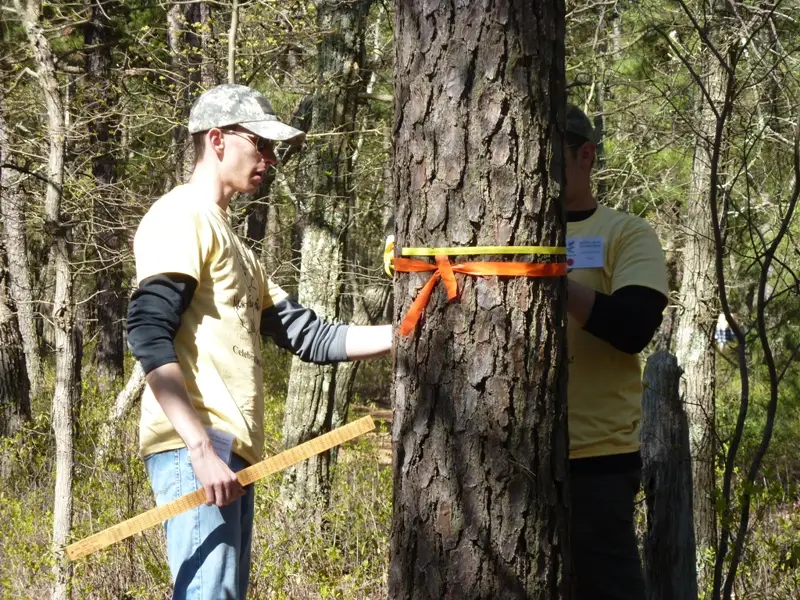
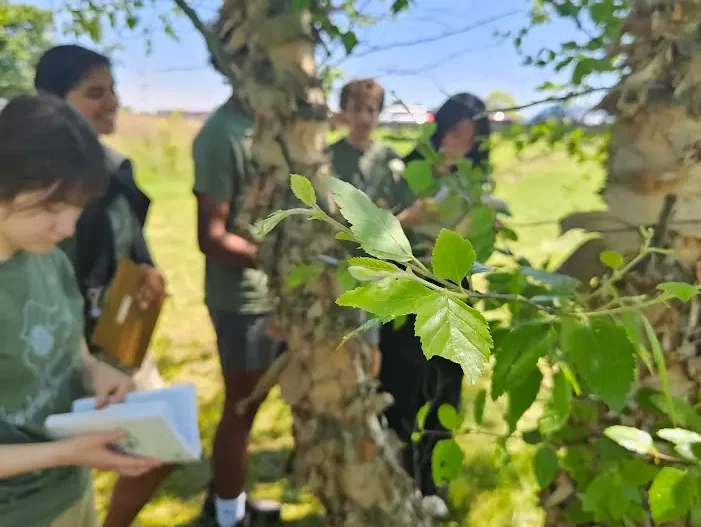
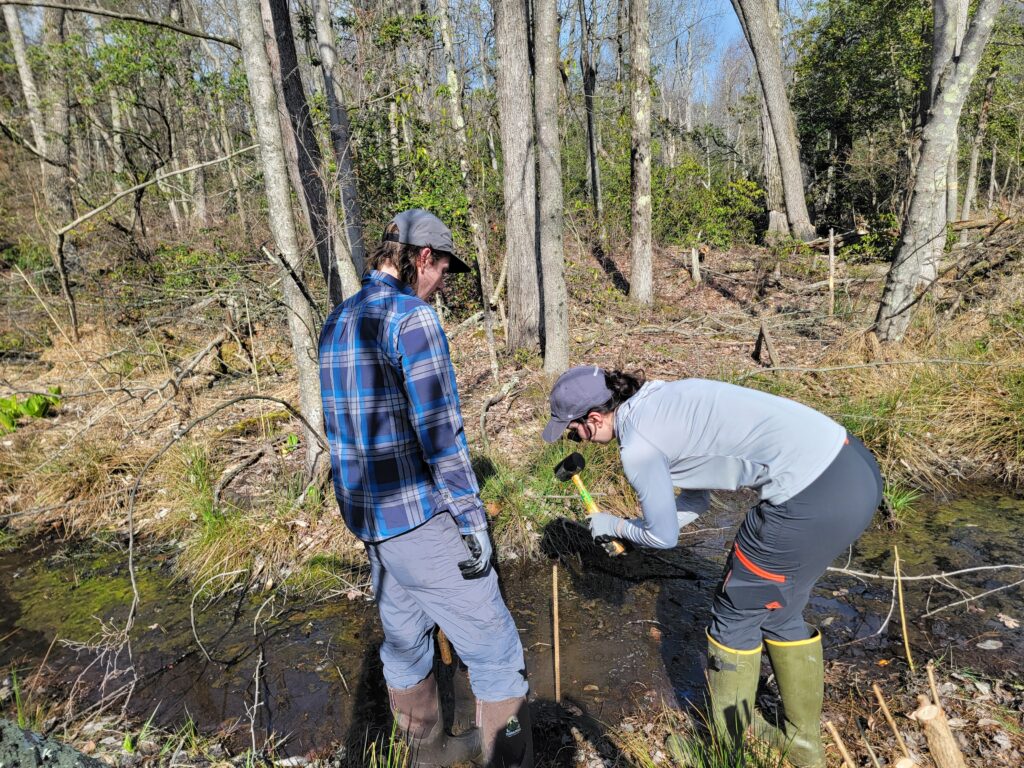
Forest Measurements
Tree Identification
Planting & Care
Silviculture / Forest Management
Under "Forest Health"
Under "Current Issue Topics"
- Urban forest systems and green stormwater infrastructure – pg 1-10 only